

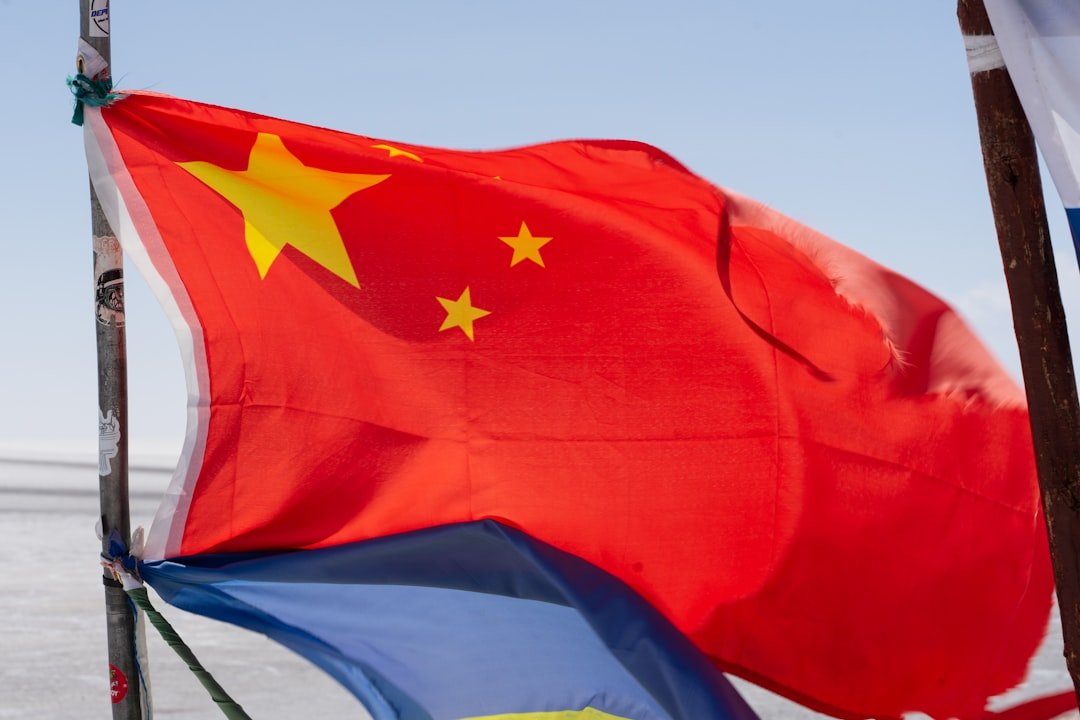
The State of India-China Relations
India and China share the world’s longest contested border, a complex economic relationship, and a history of rivalry that shapes Asian geopolitics. Understanding where things stand requires cutting through both nationalist rhetoric and excessive pessimism to see the ground reality.
The LAC: Why It’s Different From a Normal Border
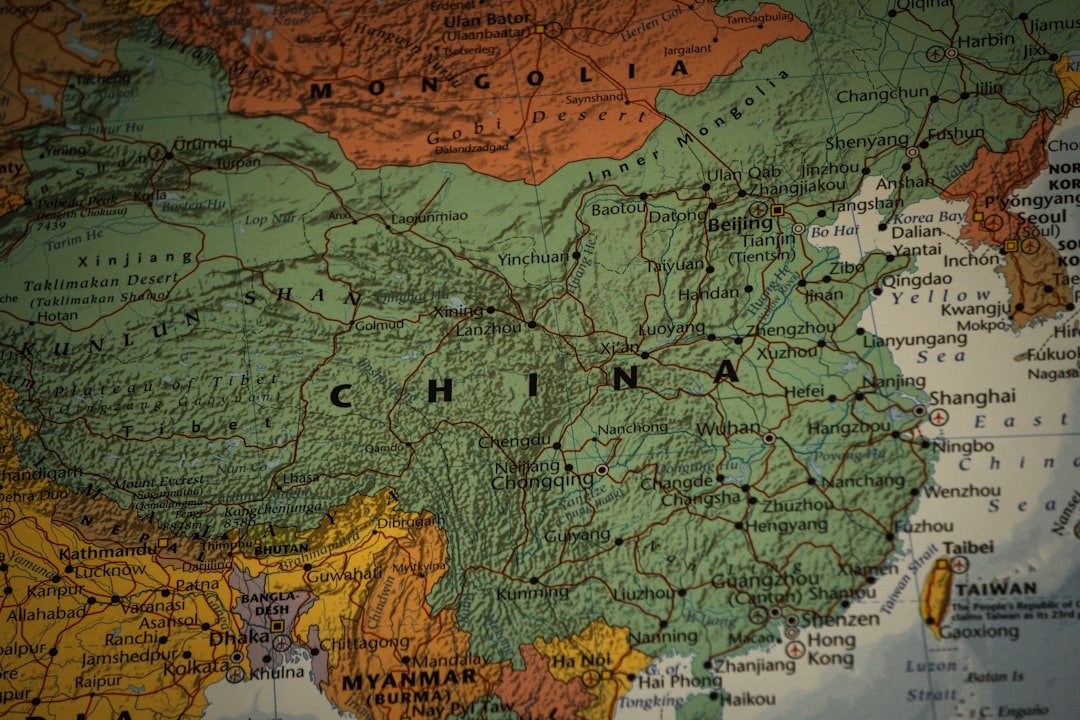
The Line of Actual Control (LAC) is not a clearly demarcated international border — it’s a disputed de facto boundary with overlapping territorial claims in Ladakh, Uttarakhand, Himachal Pradesh, Sikkim, and Arunachal Pradesh. Unlike India-Pakistan, which has a clearly delimited Line of Control, the LAC exists as different lines on Indian and Chinese maps. This ambiguity creates recurring friction.
Post-Galwan: A Partial Reset
After the Galwan Valley clash of June 2020 (which killed 20 Indian soldiers and an undisclosed number of Chinese troops), disengagement has occurred at most friction points. Diplomatic channels have been cautiously restored. But the fundamental territorial disputes remain unresolved, and Chinese infrastructure build-up near the LAC continues.
The Economic Dimension
Despite political tensions, India-China bilateral trade exceeds $100 billion — with India running a massive deficit. China supplies critical components for Indian electronics, pharmaceuticals (API ingredients), and manufacturing. A hard decoupling is economically painful; India is gradually reducing dependence while courting supply chain diversification.
What It Means for India’s Future
The India-China relationship will define much of India’s strategic posture over the next decade. India’s defence modernisation, infrastructure along border areas, and diplomatic positioning in forums like BRICS and SCO all occur in the context of managing this complex relationship with the world’s second-largest economy and military.