

The Air You Breathe Is Making You Sick — Here’s the Evidence
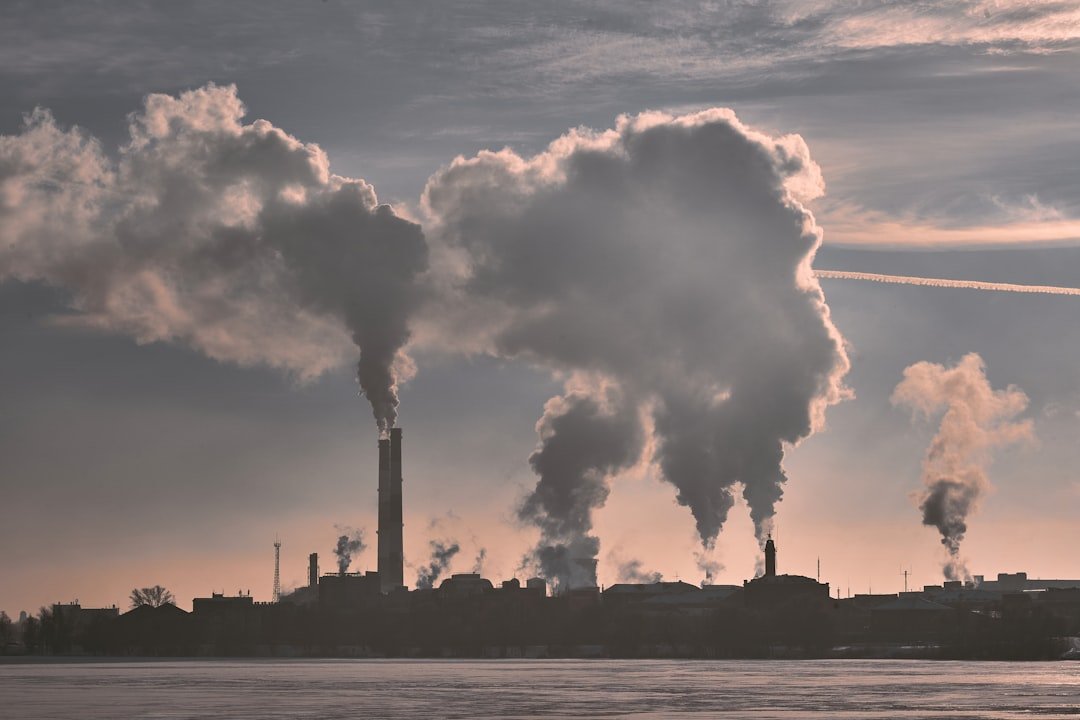
India is home to 39 of the world’s 50 most polluted cities according to the 2024 World Air Quality Report. Delhi, Begusarai, Guwahati, Darbhanga, and Muzaffarpur regularly record PM2.5 levels that are 10-15 times the WHO safe limit. Even cities considered “better” — Bengaluru, Mumbai, Pune — routinely record air quality that would trigger health advisories in European countries. This is not a statistic to glance at and move on from. Air pollution kills more Indians than tobacco.
What PM2.5 Actually Does to Your Body
PM2.5 refers to particulate matter smaller than 2.5 micrometres — small enough to pass directly through your lungs into your bloodstream. Once there, it triggers chronic inflammation. Over years of exposure, this inflammation is linked to: cardiovascular disease (PM2.5 causes arterial plaque buildup), lung cancer (even in non-smokers), type 2 diabetes, reduced lung function in children, cognitive decline in older adults, and pregnancy complications including preterm birth and low birth weight. Short-term effects include respiratory infections, asthma flare-ups, and eye and throat irritation.
Indoor Air Pollution: The Hidden Risk
Many Indians spend 90% of their time indoors and assume they are protected. They are not. Indoor PM2.5 levels in Indian homes are often 2-5x higher than outdoor levels, driven by: cooking on gas or biomass stoves (LPG cooking without a chimney hood significantly raises indoor PM2.5), incense sticks and dhoop, mosquito coils, and outdoor pollution seeping through gaps in doors and windows. Kitchen ventilation is the most impactful indoor air quality improvement for most Indian homes.
What You Can Actually Do
Wear an N95 mask (not a cloth mask or surgical mask, which do not filter PM2.5) on high-pollution days, during commutes in heavy traffic, and during winter inversion periods when smog accumulates. Check the AQI every morning on apps like Sameer (by CPCB), IQAir, or AirVisual — and plan outdoor exercise accordingly. Morning hours in winter often have the worst AQI in North Indian cities; afternoon is generally better.
Install a HEPA air purifier in your bedroom. This is the single highest-impact investment for your health if you live in a high-pollution city. Run it at night with the room sealed. Models from Sharp, Dyson, Xiaomi, and Philips between ₹8,000-₹25,000 can filter PM2.5 effectively for a 150-200 sq ft room. Keep kitchen exhaust running when cooking and open a window on the opposite side to create cross-ventilation.
For Parents of Young Children
Children breathe more air relative to their body weight than adults, and their lungs are still developing until age 25. Chronic PM2.5 exposure during childhood permanently reduces lung capacity. If you have children under 12, prioritise air purifiers in their bedroom and school bag masks on bad air days. Pediatric pulmonologists in Delhi and Mumbai consistently report seeing lung function in Delhi children comparable to that of adults.