

The WFH Reality Nobody Prepared Us For
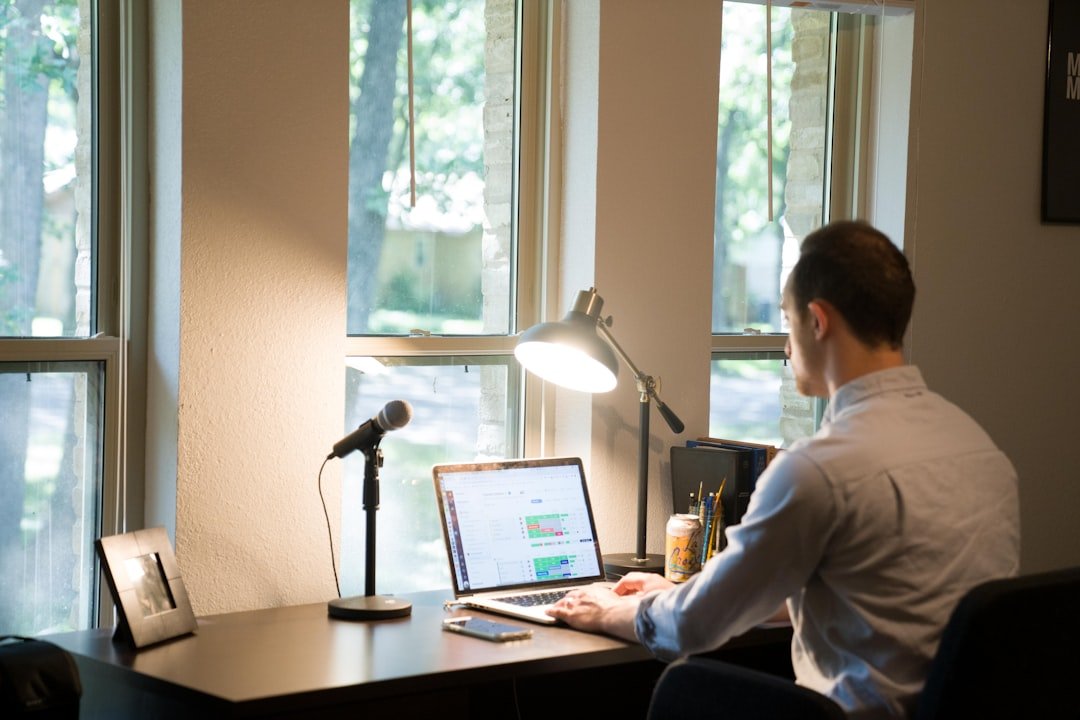
When work-from-home became mainstream in India after 2020, the advice that arrived was designed for people with a dedicated home office. A room with a door. Silence on demand. In reality, most urban Indians work in a 1BHK or 2BHK they share with family, where the kitchen is 10 feet from the “workspace” and video calls compete with pressure cooker sounds. Hybrid work has made this the new permanent baseline for millions. Here is how to actually make it work.
Creating a Workspace Without a Dedicated Room
The primary goal is a consistent visual and physical cue that signals “work mode” to both you and your family. This does not require a room. A specific corner with a dedicated chair and a small desk (even a ₹3,000 folding desk from Amazon) is enough. The key is that this spot is only used for work — not for lunch, not for scrolling, not for watching TV. When you sit there, your brain knows it is work time. When you leave it, work is over.
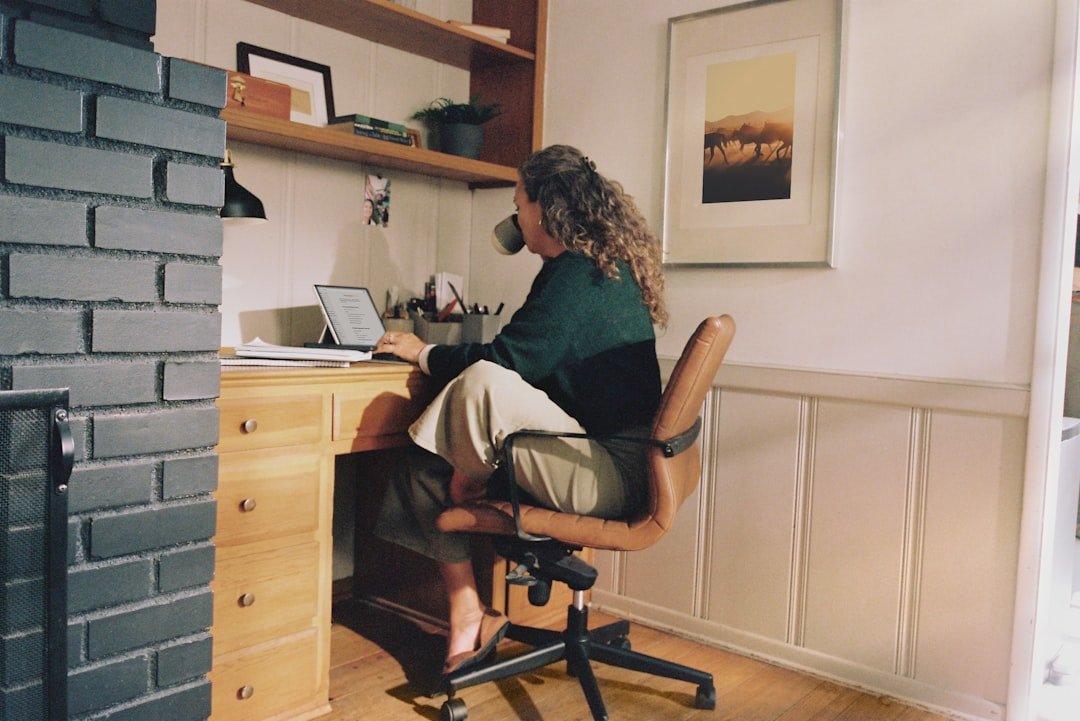
Face toward a wall rather than the centre of the room — this reduces the sensory input from household activity behind you. Position a lamp on your desk for calls — overhead lighting in most Indian homes is too harsh or too dim for good video quality. A plant or a simple physical separator (even a bookshelf) between your workspace and the living area creates a psychological boundary.
Managing Family During Work Hours
Have an explicit conversation about your schedule. “I have calls from 10am-12pm and 3pm-5pm, please treat this like I’m not home during those times” is more effective than hoping for quiet. For parents of young children, a non-negotiable quiet hour — perhaps coordinated with nap time — where work is done uninterrupted is worth protecting fiercely. For joint families, set expectations with every adult member once, clearly, rather than asking repeatedly each day.
The Noise Problem
If you are on frequent calls, invest in a good pair of noise-cancelling earphones. Sony WH-1000XM5, Jabra Evolve2, or the more affordable Anker Q45 all perform well. For your microphone — the cheapest fix for poor call audio is a ₹800 clip-on lapel mic that plugs into your phone or laptop, far better than built-in laptop mics. Background noise apps like Krisp or NVIDIA RTX Voice can suppress cooler sounds, traffic, and family noise on calls.
Separating Work and Life When There Is No Commute
The commute was not just transportation — it was a transition ritual. Its absence is one reason WFH blurs work and personal time. Create artificial transitions. A 15-minute walk after logging off works well. Changing clothes after work signals to your brain that the work day is done. Setting a hard log-off time — and sticking to it even when tasks remain — is the most important habit for long-term WFH sustainability.