

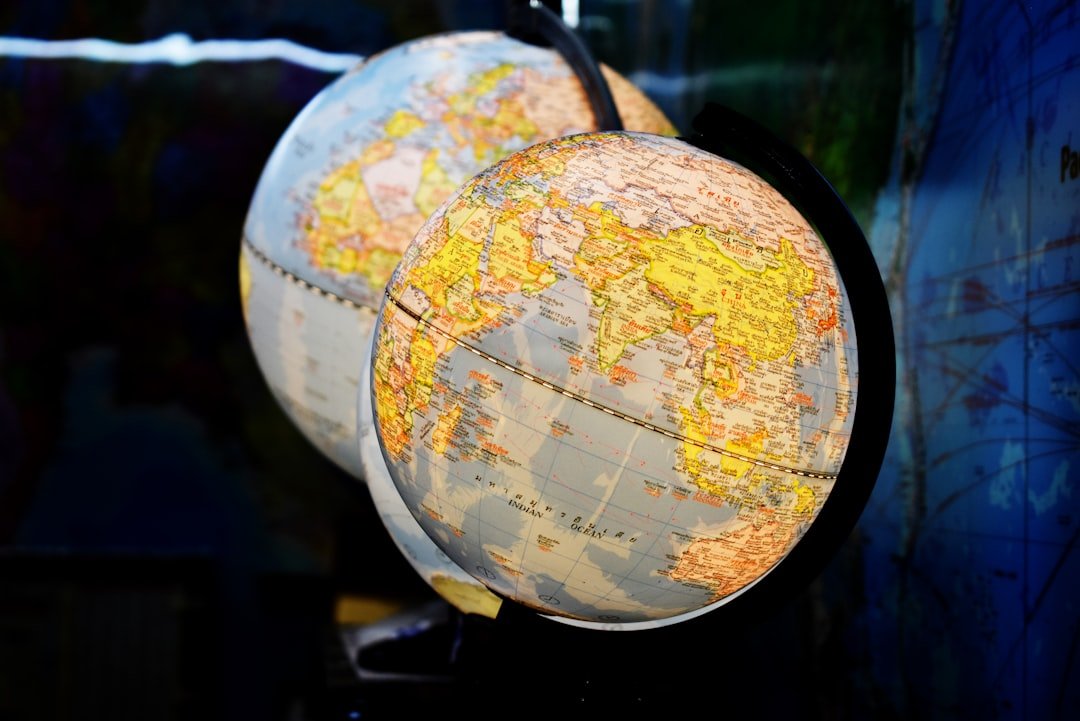
BRICS: From Acronym to Alliance
What began as an investment banker’s shorthand for four fast-growing economies — Brazil, Russia, India, China, and later South Africa — has evolved into one of the most consequential geopolitical groupings of the 21st century. The 2024 expansion to include Saudi Arabia, the United Arab Emirates, Iran, Ethiopia, and Egypt has transformed BRICS from a loose economic forum into an institution that now represents over 45% of the world’s population and nearly 35% of global GDP.
What BRICS Actually Does
BRICS is not a military alliance, a customs union, or a formal intergovernmental organisation in the way that the UN or WTO are. It is a forum for political coordination, economic cooperation, and collective advocacy. Its main instruments include:
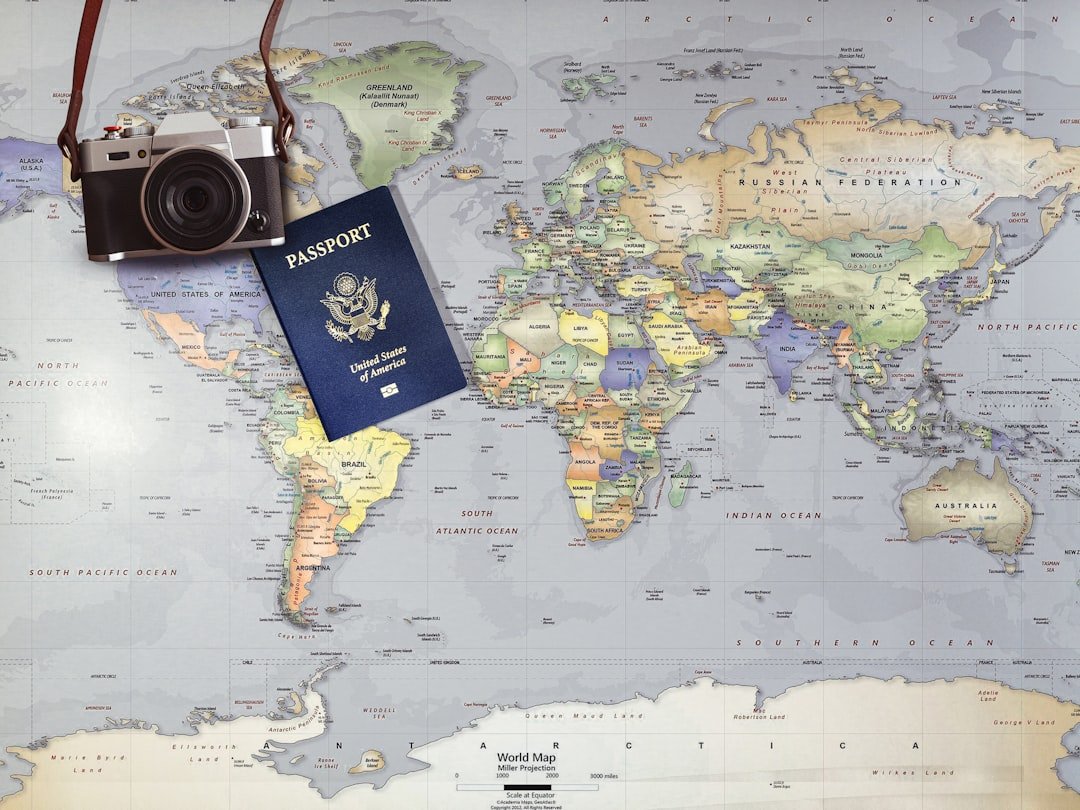
- The New Development Bank (NDB): Established in 2015 as an alternative to the World Bank, the NDB has funded infrastructure projects worth over $30 billion across member countries, with a particular focus on sustainable development
- BRICS Contingent Reserve Arrangement: A $100 billion pool of currency reserves to protect members from balance-of-payments crises
- Annual Summits: Where heads of state coordinate positions on global issues including trade, climate, and security
- Ministerial and sectoral meetings: Covering finance, foreign affairs, security, health, education, and technology
India’s Complex Position
India’s BRICS membership reflects a carefully managed foreign policy complexity. India shares the BRICS platform with China — its most significant strategic rival — while simultaneously deepening security ties with the United States through the Quad. India and Russia maintain a historic relationship of mutual dependence, even as Russia’s war in Ukraine has created tensions with Western partners.
New Delhi’s consistent position is that these relationships are not contradictory — they reflect India’s multi-alignment doctrine, which holds that a country of India’s size and ambition should not be constrained by bloc membership into subordinating its interests to any single power’s preferences.
The De-Dollarisation Question
One of BRICS’ most discussed — and most difficult — ambitions is reducing dependence on the US dollar in international trade and financial transactions. The argument is that dollar dominance gives the United States disproportionate economic leverage through its ability to impose sanctions and control access to the global payments system.
The reality is that creating a viable alternative to the dollar is extraordinarily difficult. It requires not just a currency mechanism but deep, liquid financial markets, legal systems that investors trust, and a level of political cooperation that BRICS members — who have competing interests on many issues — have not yet achieved. India has been cautious on this agenda, recognising that its own significant foreign exchange reserves and international financial linkages are denominated in dollars.
What BRICS Membership Delivers for India
Tangible benefits of India’s BRICS engagement include:
- Diplomatic influence in shaping the agenda of international financial institutions
- Access to NDB financing for infrastructure projects with fewer political conditions than World Bank lending
- A platform to amplify the Global South’s voice on issues like climate finance, technology transfer, and WTO reform
- Bilateral meetings on the sidelines of BRICS summits — often more valuable than the formal agenda
The Road Ahead
The expansion of BRICS is both its strength and its challenge. A grouping that now includes countries as different as Iran, the UAE, Ethiopia, and Brazil faces genuine difficulty in forging consensus on contested political issues. India has been a consistent voice for keeping BRICS focused on economic cooperation rather than becoming an anti-Western bloc — a positioning that serves India’s interest in maintaining productive relations across the geopolitical spectrum.
Whether BRICS develops into a genuinely transformative institution or remains primarily a forum for political signalling will depend largely on whether its members can build the common institutions and mutual trust that durable multilateral cooperation requires.