

India Is Now a Space Power
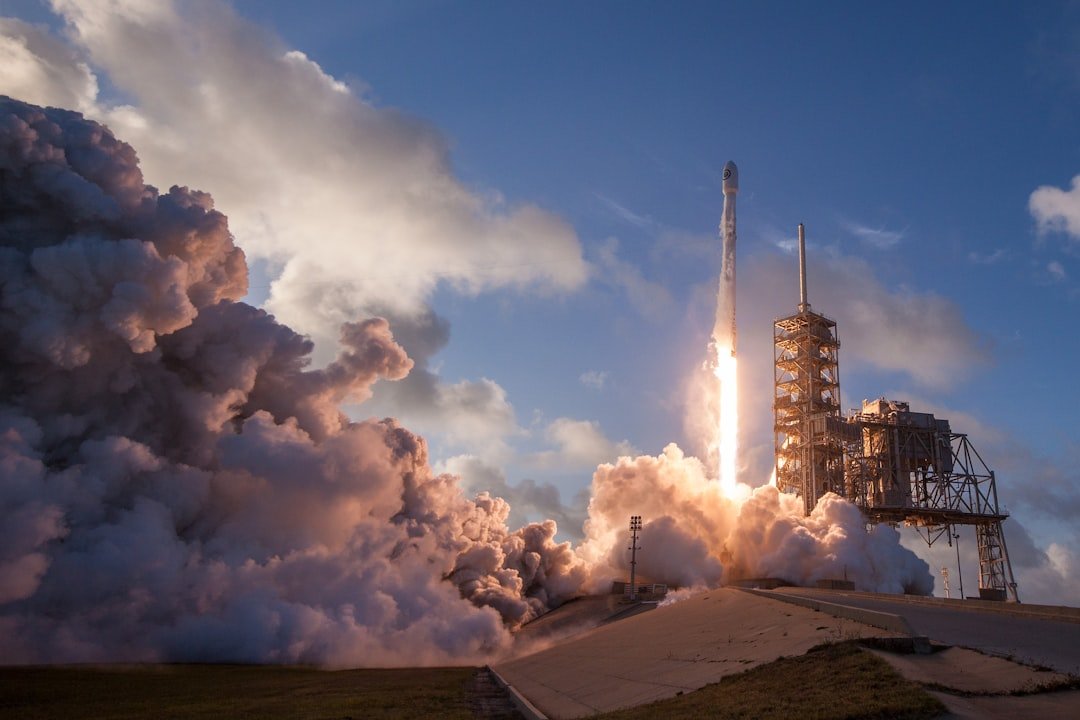
When Chandrayaan-3 landed near the lunar south pole in August 2023, India became only the fourth nation to achieve a controlled soft landing on the Moon — and the first to do so at the pole. That achievement was a turning point not just for Indian science but for the country’s commercial space ambitions. In 2026, India’s space economy is one of the most dynamic in the world.
ISRO’s Recent Milestones
The Indian Space Research Organisation has delivered a series of landmark achievements that have raised India’s profile in the global space community. Aditya-L1, India’s first solar observatory, has been providing valuable data from the L1 Lagrange point. Gaganyaan — India’s human spaceflight programme — has completed multiple test flights and is on track for a crewed mission.
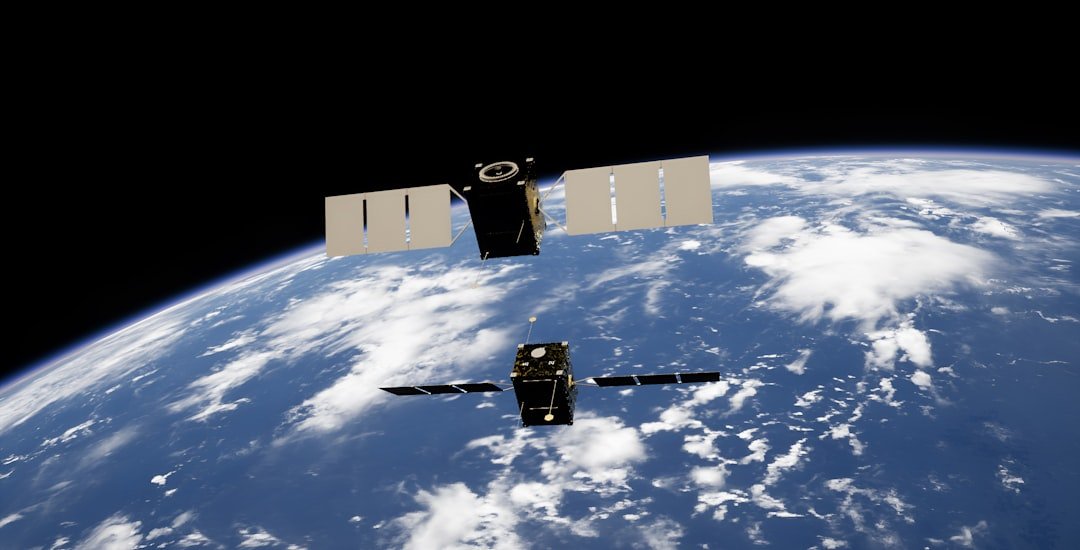
ISRO’s commercial launch services, operated through NewSpace India Limited (NSIL), have secured multiple international satellite launch contracts, competing directly with SpaceX, Arianespace, and Rocket Lab for commercial payloads. The PSLV and the heavier GSLV Mk III (now rebranded as LVM3) have established strong reliability records that commercial customers trust.
India’s Private Space Revolution
The 2020 liberalisation of India’s space sector — opening it to private companies for the first time — has triggered a wave of entrepreneurial activity that is producing some of the world’s most interesting space startups.
Skyroot Aerospace: Made history as the first Indian private company to successfully launch a rocket into space with Vikram-S in 2022. Subsequent launches have demonstrated growing reliability and the company is now pursuing orbital missions.
Agnikul Cosmos: Developed Agnibaan, the world’s first rocket with a single-piece 3D-printed semi-cryogenic engine. Agnikul is targeting small satellite launches with a flexible, rapid-deployment approach.
Pixxel: Building a constellation of hyperspectral earth observation satellites for agriculture, environmental monitoring, and defence applications. Already operating its first commercial satellites and generating revenue from data sales.
Dhruva Space: Focused on satellite integration services and space technology products, providing infrastructure for the broader space ecosystem.
Earth Observation and Data Economy
One of the most commercially exciting areas of India’s space economy is earth observation data. High-resolution satellite imagery is in demand across agriculture (crop monitoring, yield prediction), infrastructure (road and building mapping), insurance (damage assessment), and defence (surveillance). Indian startups are building AI-powered platforms that turn raw satellite data into actionable insights for each of these sectors.
The IN-SPACe Effect
The Indian National Space Promotion and Authorisation Centre (IN-SPACe) has functioned as the regulatory bridge between ISRO and private players, creating a framework that allows private companies to use ISRO facilities, launch vehicles, and technical expertise while pursuing their own commercial agendas. The maturation of this framework has been critical to the pace of private sector growth.
Career Opportunities in India’s Space Sector
For engineers, scientists, and business professionals, India’s expanding space sector offers genuinely exciting career paths. Aerospace engineering, materials science, software engineering (for satellite software, ground systems, and data platforms), and systems engineering are in high demand. Salaries at private space startups range from ₹8-25 lakh for mid-level engineers, with equity upside at the most promising companies. ISRO continues to recruit through its own entrance examinations and IIST (Indian Institute of Space Science and Technology) graduates pipeline.
What Comes Next
The coming five years will see India’s first crewed spaceflight, the establishment of an Indian space station (Bharatiya Antariksha Station), India’s contribution to the Artemis lunar programme, and the first commercial launches from India’s new spaceport at Kulashekarapatnam. India’s space economy, valued at approximately $8 billion in 2023, is projected to grow to $44 billion by 2033 — one of the fastest-growing segments of India’s technology economy.