

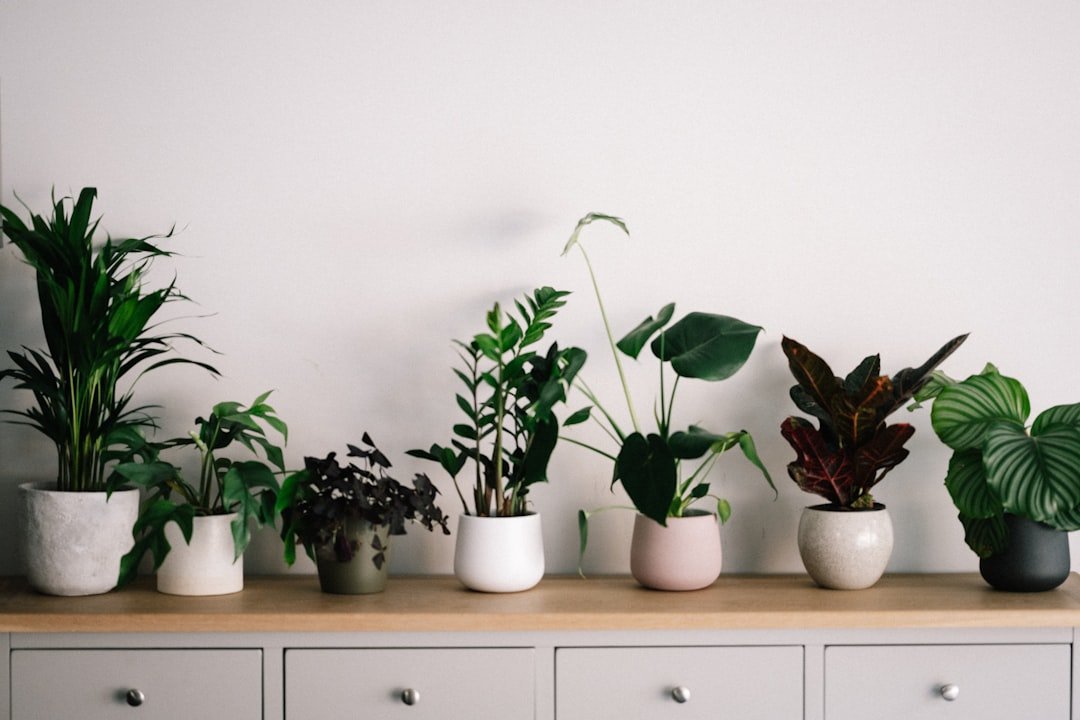
Why Indoor Plants Matter More Than Ever in Indian Cities
With Delhi’s AQI regularly crossing 400 and Mumbai, Bengaluru, and Hyderabad facing rising pollution levels, the air inside Indian homes often contains VOCs, dust, and particulate matter that standard HVAC systems don’t filter. Indoor plants provide a natural, low-cost solution.
The 10 Best Plants for Indian Homes
The Money Plant (Pothos) is India’s most popular indoor plant for good reason — it survives low light, irregular watering, and humidity extremes. NASA’s Clean Air Study found it removes benzene and formaldehyde effectively. The Snake Plant (Sansevieria) is nearly indestructible and converts CO2 to oxygen at night, making it ideal for bedrooms. The Peace Lily thrives in shade and absorbs acetone, trichloroethylene, and ammonia — common in Indian kitchens.
The Areca Palm acts as a natural humidifier, releasing up to 1 litre of moisture per day — valuable in dry Delhi winters. Spider Plants are excellent for removing carbon monoxide and xylene. Aloe Vera doubles as a medicinal plant and air purifier, removing formaldehyde found in paint and cleaning products.
Rubber Plants have large leaves that trap dust and particulate matter. Boston Ferns are one of the best plants for removing formaldehyde. Bamboo Palms are effective against benzene and trichloroethylene. Finally, Tulsi (Holy Basil) has deep cultural roots in India and genuinely purifies air while releasing oxygen around the clock.
Care Tips for Indian Conditions
Most indoor plants in India need watering every 3-5 days in summer and every 7-10 days in winter. Avoid direct afternoon sun through west-facing windows. Use well-draining potting mix to prevent root rot during monsoon humidity.