

India’s Silent Epidemic
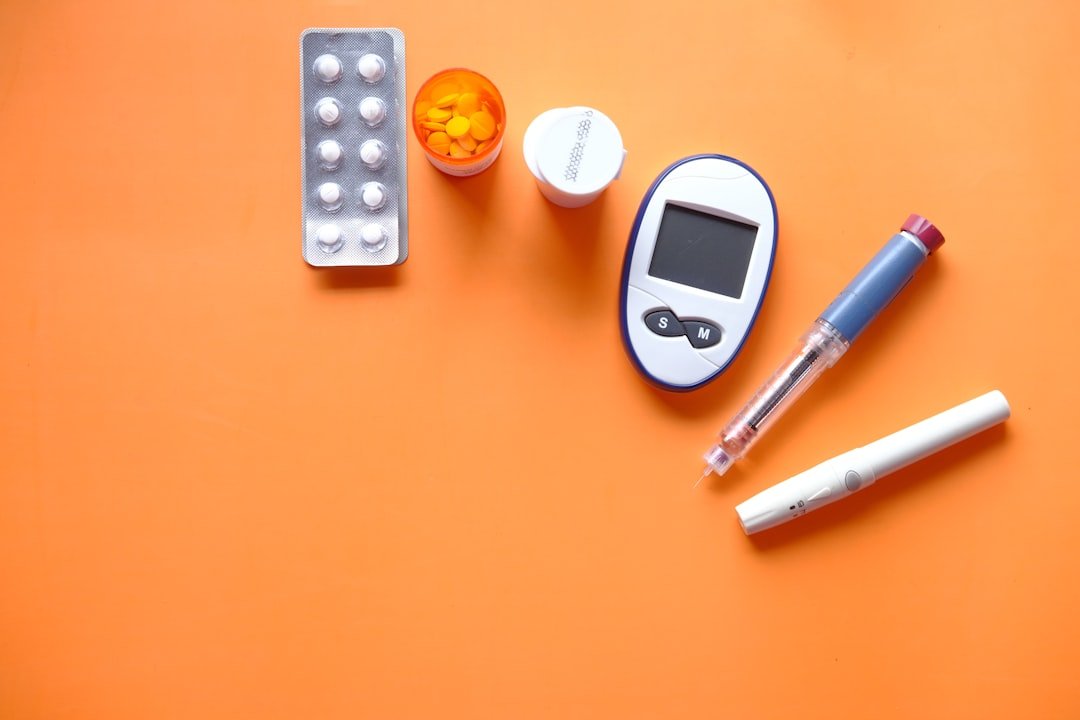
India has more people living with diabetes than any other country in the world — over 100 million confirmed cases and an estimated 30-40 million more who are undiagnosed. Type 2 diabetes, the most common form, is strongly linked to lifestyle factors that are increasingly prevalent in India’s urbanising population: sedentary work, refined carbohydrate-heavy diets, chronic stress, and insufficient sleep.
The good news: Type 2 diabetes is largely preventable with the right lifestyle choices, and early detection dramatically improves outcomes. Here is what every Indian needs to know.
Warning Signs to Never Ignore
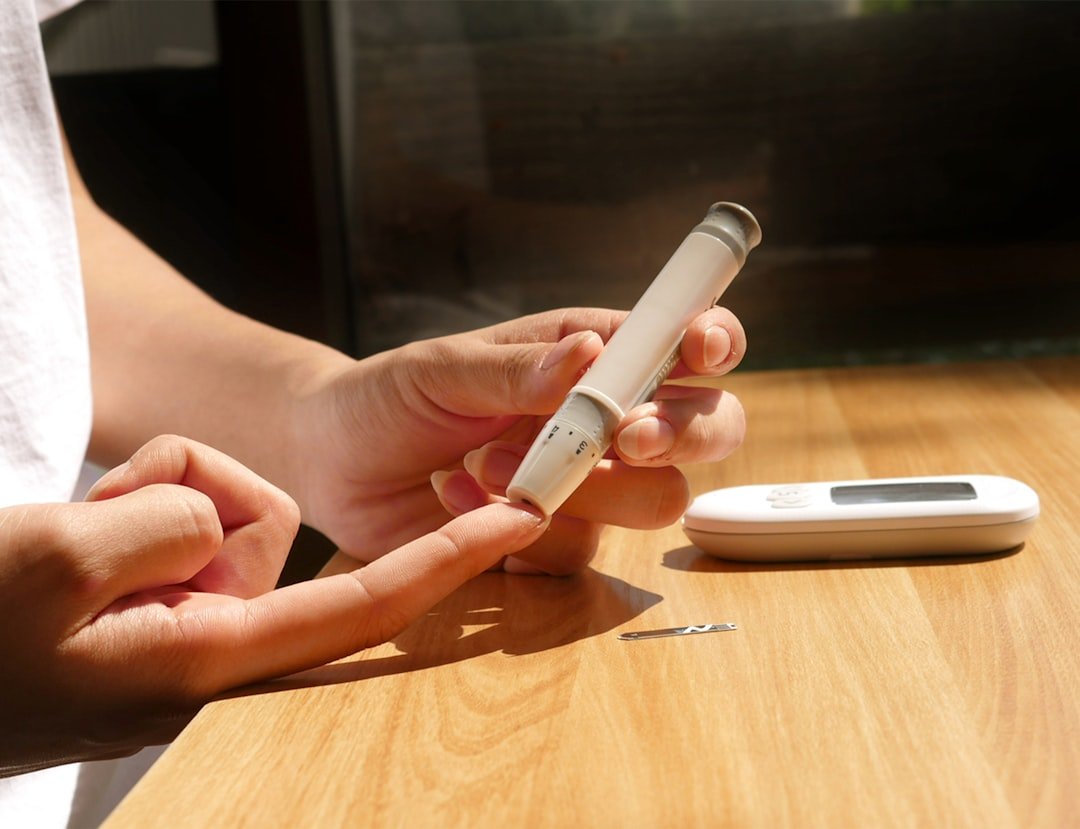
Many Indians live with diabetes for years before diagnosis because the symptoms are often subtle or attributed to other causes. Classic warning signs include: frequent urination (especially at night), excessive thirst, unexplained weight loss, fatigue that doesn’t improve with rest, blurred vision, slow healing of cuts and wounds, frequent infections, and tingling or numbness in hands or feet (diabetic neuropathy, indicating the condition has progressed).
If you experience any combination of these symptoms, see a doctor immediately and request a fasting blood glucose test and HbA1c measurement.
Know Your Numbers
The key diagnostic thresholds:
- Normal fasting blood glucose: Below 100 mg/dL
- Pre-diabetes (impaired fasting glucose): 100-125 mg/dL — this is the stage where lifestyle changes can prevent progression to full diabetes
- Diabetes: 126 mg/dL or above on two separate tests
- HbA1c (3-month average blood glucose): Below 5.7% normal; 5.7-6.4% pre-diabetes; 6.5% and above indicates diabetes
Everyone above 35 should have their blood glucose checked annually. Those with risk factors (family history, overweight, sedentary lifestyle, history of gestational diabetes) should check from age 25.
Diet: The Most Powerful Tool
For both prevention and management, diet is the single most powerful lever available. The Indian dietary pattern — high in refined carbohydrates (white rice, maida-based breads, sugar-sweetened beverages) — is one of the main drivers of India’s diabetes epidemic.
Evidence-based dietary changes that significantly improve blood glucose control:
- Replace white rice with millets (jowar, bajra, ragi) or switch to smaller portions with more vegetables and protein
- Eliminate sugar-sweetened beverages completely — including fruit juices, which spike blood glucose as rapidly as soft drinks
- Increase dietary fibre from vegetables, legumes, and whole grains — fibre slows glucose absorption
- Eat protein with every meal — it slows glucose absorption and improves satiety
- Reduce portion sizes and eat mindfully — not while watching TV or using a phone
Exercise: Non-Negotiable
Physical activity dramatically improves insulin sensitivity — the body’s ability to use blood glucose effectively. The minimum evidence-based recommendation for blood glucose control is 150 minutes of moderate-intensity exercise per week (brisk walking counts) plus 2 sessions of resistance training (bodyweight exercises, yoga asanas involving strength, or gym weights).
Walking for 15 minutes after each meal is particularly effective at preventing post-meal blood glucose spikes — one of the most practical interventions for Indian lifestyles.
Medication When Needed
If lifestyle changes are insufficient to control blood glucose, medication is necessary and should not be avoided due to stigma. Metformin remains the first-line medication and is safe, effective, and inexpensive. Newer drug classes (SGLT2 inhibitors, GLP-1 receptor agonists) have shown benefits beyond glucose control including cardiac and kidney protection — discuss these with your doctor if you have cardiovascular risk factors.
For Type 1 diabetes (autoimmune, not lifestyle-related) and advanced Type 2 diabetes, insulin is often necessary. Continuous glucose monitors (CGMs), now available in India at ₹3,000-5,000 per sensor, provide real-time blood glucose data that dramatically improves management outcomes.
The Reversal Possibility
Clinical research has shown that Type 2 diabetes can be put into remission — blood glucose returning to normal without medication — through sustained weight loss and dietary change. This is most achievable in recently diagnosed patients. If you have been recently diagnosed, an intensive lifestyle intervention is worth attempting before accepting permanent medication dependence.