

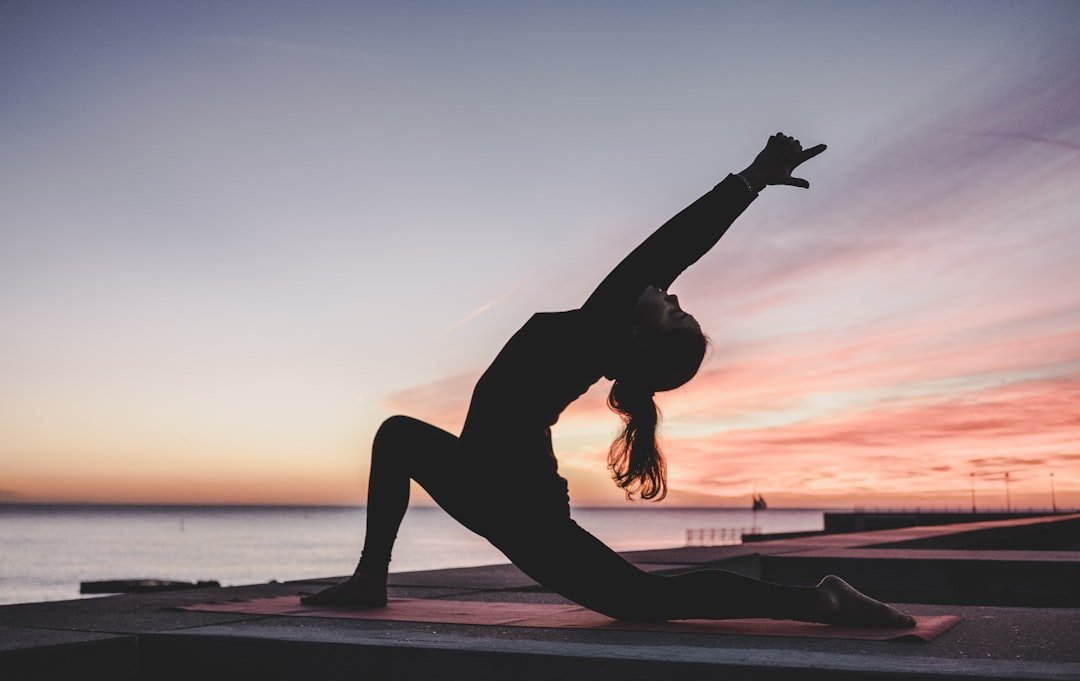
Back to the Source
Yoga is one of India’s greatest gifts to the world — a 5,000-year-old system of physical postures, breathing techniques, and meditative practices that modern science has confirmed delivers genuine benefits for flexibility, strength, stress reduction, and mental health. Yet many Indians have never practised systematically, or gave it up after a few sessions because they didn’t know where to start.
This guide covers 10 essential poses that form the foundation of any good yoga practice — no fancy equipment required, no prior experience needed.
Before You Begin
Practice on an empty stomach or at least 2 hours after eating. A yoga mat is helpful but not essential — a non-slip surface works. Wear comfortable, stretchy clothing. Stop any pose that causes sharp pain (gentle stretching discomfort is normal; pain is not). If you have specific health conditions — high blood pressure, disc problems, recent surgery — consult a doctor before starting.
1. Tadasana (Mountain Pose)
Stand with feet together or hip-width apart, weight evenly distributed. Arms at sides, palms facing forward. Lengthen your spine, relax your shoulders away from your ears, and breathe steadily. Tadasana is the foundation of all standing poses and teaches correct posture alignment. Hold for 30-60 seconds.
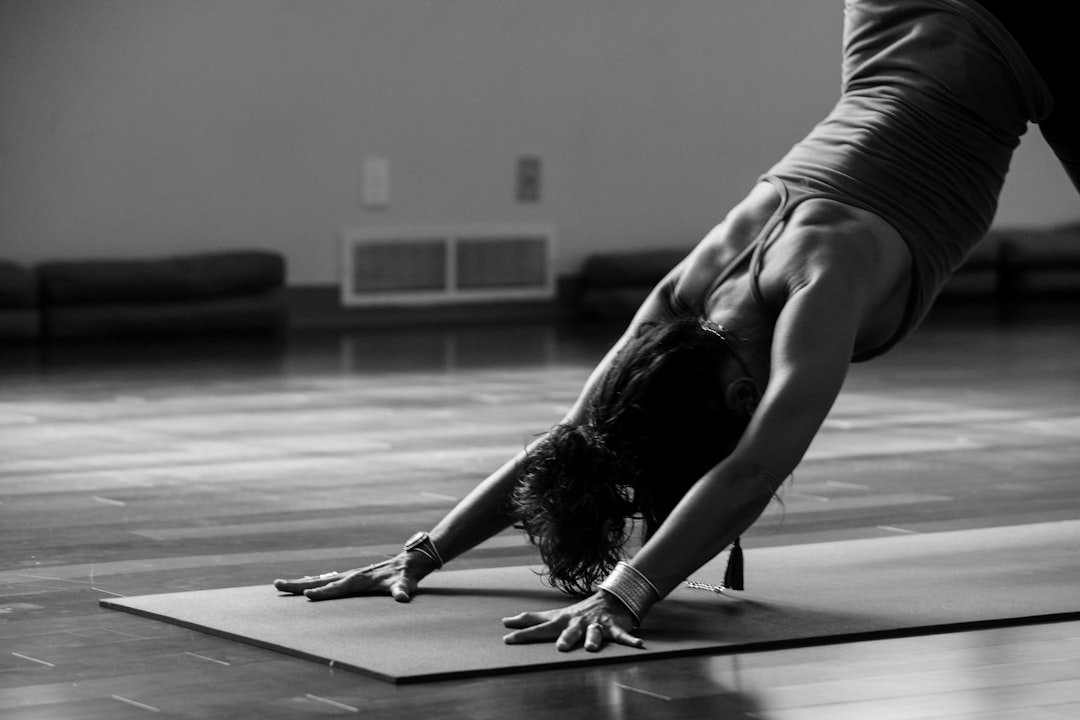
2. Adho Mukha Svanasana (Downward Dog)
From hands and knees, lift your hips toward the ceiling, straightening your arms and legs to form an inverted V-shape. Press your palms flat into the floor, lengthen your spine, and try to bring your heels toward the floor (they need not touch). Excellent for stretching the hamstrings, calves, and spine. Hold for 5-8 breaths.
3. Balasana (Child’s Pose)
Kneel and sit back on your heels. Extend your arms forward along the floor, forehead resting on the mat. A restorative pose that calms the nervous system and gently stretches the lower back. Return to this pose whenever you need rest during practice. Hold for 1-3 minutes.
4. Bhujangasana (Cobra Pose)
Lie face down, hands under shoulders. Inhale and gently lift your chest off the floor using your back muscles (not just your arms). Keep your elbows slightly bent. Opens the chest, strengthens the spine, and counteracts the effects of sitting. Hold for 15-30 seconds.
5. Virabhadrasana I (Warrior I)
From standing, step one foot back 3-4 feet. Front knee bends to 90 degrees over the ankle; back leg stays straight. Arms raised overhead, palms facing each other. Builds leg strength, improves balance, and opens the hips and chest simultaneously. Hold each side for 30-60 seconds.
6. Trikonasana (Triangle Pose)
Stand with feet wide apart, turn one foot out 90 degrees. Extend arms parallel to the floor. Reach the front hand toward the foot, resting on the shin, ankle, or floor. Other arm reaches straight up. Stretches the hamstrings, inner thighs, and spine while building core stability. Hold each side for 30-60 seconds.
7. Setu Bandha Sarvangasana (Bridge Pose)
Lie on your back, knees bent, feet flat on the floor hip-width apart. Press your feet down and lift your hips toward the ceiling. Interlace fingers under your back. Strengthens the glutes and lower back while opening the chest — particularly valuable for those who sit for long periods. Hold for 30-60 seconds.
8. Navasana (Boat Pose)
Sit on the floor, knees bent. Lean back slightly and lift your feet off the floor, balancing on your sitting bones. Extend arms forward parallel to the floor. For more intensity, straighten your legs. Core strengthening pose that builds the deep abdominal muscles. Hold for 20-30 seconds, building up gradually.
9. Vrikshasana (Tree Pose)
Stand on one leg. Place the sole of the other foot on the inner thigh (or calf — never the knee). Bring hands to prayer position at the chest or raise them overhead. Fixes the gaze on a steady point. Improves balance, concentration, and ankle strength. Hold each side for 30-60 seconds.
10. Savasana (Corpse Pose)
Lie flat on your back, arms slightly away from your body, palms facing up. Close your eyes and completely relax every muscle. This is not “doing nothing” — it is active relaxation, allowing the nervous system to integrate the practice. Never skip savasana. Hold for 5-10 minutes at the end of every session.
Building a Practice
Start with 20-30 minutes three times a week. Consistency matters far more than duration. YouTube channels like Yoga with Adriene (English) and Sarva Yoga (Hindi) provide free guided sessions for every level.