

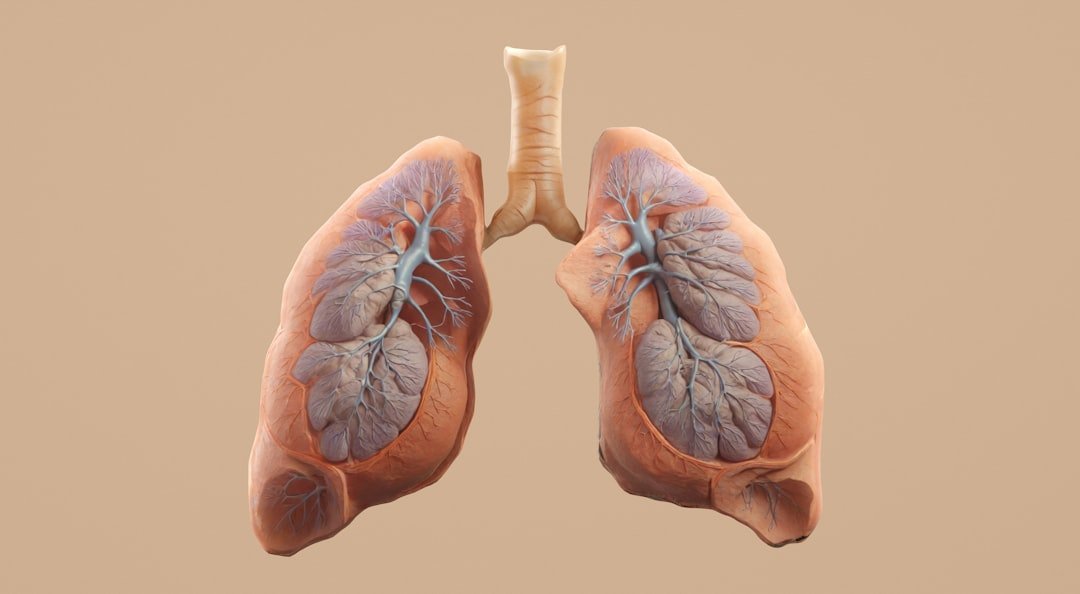
The Air We Breathe
Air pollution is India’s most serious environmental health crisis. According to the Health Effects Institute, air pollution causes approximately 1.67 million premature deaths in India each year, making it the second-largest risk factor for death after high blood pressure. Understanding what air pollution does to the body — and what practical steps you can take to reduce your exposure — is not an academic exercise. It is a matter of health and survival.
The Worst Cities and When
Delhi consistently ranks among the world’s most polluted major cities, particularly from October to February when a combination of cold temperatures, stagnant air, farm stubble burning from Punjab and Haryana, and Diwali firecrackers creates hazardous air quality events. In peak winter months, PM2.5 concentrations in Delhi regularly reach 10-20 times the WHO’s safe limit.
But Delhi is not alone. Patna, Lucknow, Gwalior, Kanpur, Varanasi, Jodhpur, and several other North Indian cities face similarly severe air quality crises seasonally. Even Mumbai and Chennai, which have somewhat better baseline air quality, see significant pollution spikes from vehicular emissions, construction dust, and industrial activity.
What Air Pollution Does to Your Body
Short-term exposure: Eye and throat irritation, coughing, shortness of breath, headaches, and aggravation of existing respiratory conditions (asthma, COPD). For sensitive individuals — children, elderly, those with heart or lung conditions — even a single day of high pollution can trigger health crises.
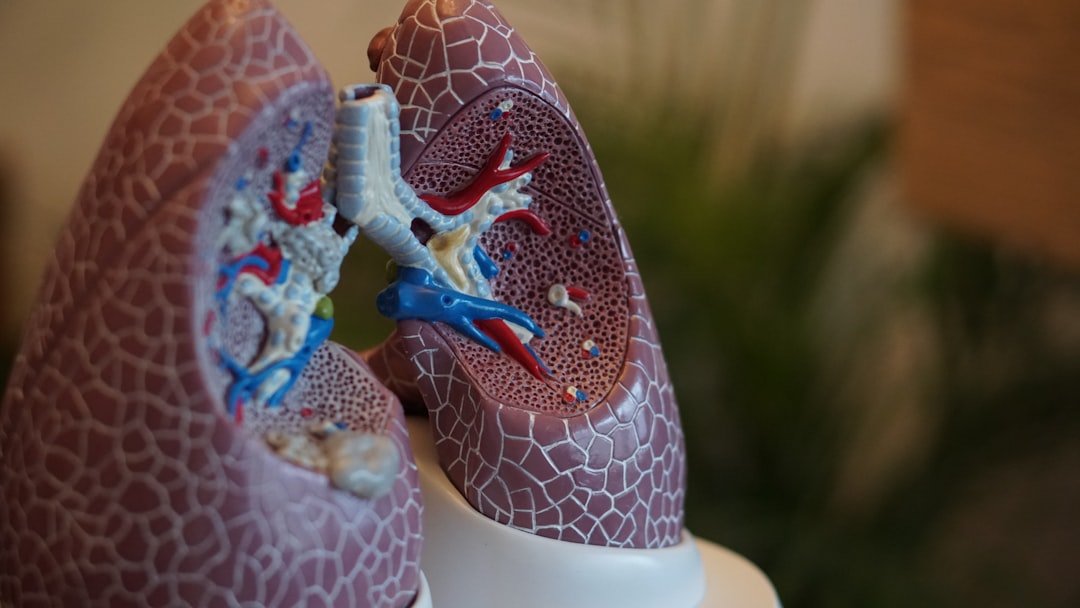
Long-term exposure: The evidence here is alarming. Chronic exposure to high-PM2.5 air significantly increases risk of lung cancer (particles are carcinogenic at sustained exposure), COPD (chronic obstructive pulmonary disease), cardiovascular disease (pollution particles enter the bloodstream and damage blood vessels), type 2 diabetes, and cognitive decline. Children growing up in highly polluted areas have measurably reduced lung development compared to those in cleaner environments.
Understanding AQI
The Air Quality Index (AQI) is a standardised scale from 0-500. Good: 0-50. Satisfactory: 51-100. Moderate: 101-200. Poor: 201-300 (avoid prolonged outdoor exercise). Very Poor: 301-400 (avoid outdoor activity). Severe: 401-500 (remain indoors). Check the daily AQI for your city on the CPCB (Central Pollution Control Board) Sameer app or iqair.com before planning outdoor activities, especially exercise.
What You Can Do: Indoor Protection
For most urban Indians, indoor air quality is actually worse than outdoor in sealed homes due to cooking fumes, cleaning products, and outdoor pollution seeping in. Key interventions:
- Air purifiers: HEPA filter air purifiers significantly reduce indoor PM2.5. Brands like Philips, Dyson, Xiaomi Mi Air Purifier, and Havells offer effective options from ₹6,000-60,000. Size the purifier to your room area.
- Ventilate smartly: Open windows when outdoor AQI is below 100. Close them and run your purifier when AQI is above 150.
- Switch to piped gas or induction cooking: Cooking on solid fuel or even gas stoves creates indoor PM2.5 and NO2 at levels that significantly exceed outdoor pollution. An exhaust fan and proper kitchen ventilation are essential.
What You Can Do: Outdoor Protection
N95 masks (properly fitted, not surgical masks) filter 95% of PM2.5 particles and are the only effective face protection against air pollution. Cloth masks and standard surgical masks provide minimal protection against fine particles. During high-AQI days, avoid outdoor exercise — exercising in polluted air dramatically increases the dose of particles your lungs receive.
The Policy Picture
Individual action has limits. India’s air quality crisis is primarily a policy challenge requiring action on farm stubble burning (government support for alternatives), vehicular emissions standards (BS-VI transition continues), industrial emission controls, and construction dust management. The National Clean Air Programme (NCAP) has targets to reduce PM concentrations by 40% from 2017 levels by 2026. Progress has been uneven. This is an issue where citizen advocacy — voting, demanding accountability, supporting clean energy policies — is as important as personal protective measures.