

The Health Double-Edge of Indian Monsoon
The monsoon is simultaneously India’s most anticipated and most medically hazardous season. Rising water levels create breeding grounds for mosquitoes; contaminated water spreads gastrointestinal infections; humidity enables fungal growth; and waterlogging creates the perfect environment for leptospirosis. Being prepared is essential.
Most Common Monsoon Illnesses
Dengue fever peaks during and after the monsoon. Symptoms include high fever, severe headache, joint pain, and rash. The Aedes aegypti mosquito breeds in clean, stagnant water — check coolers, tyres, and flower pots. Malaria spreads through Anopheles mosquitoes breeding in dirty water. Early symptoms resemble flu — get tested if fever persists beyond 2 days. Typhoid and cholera spread through contaminated water and food. Avoid street food prepared with water of unknown quality.
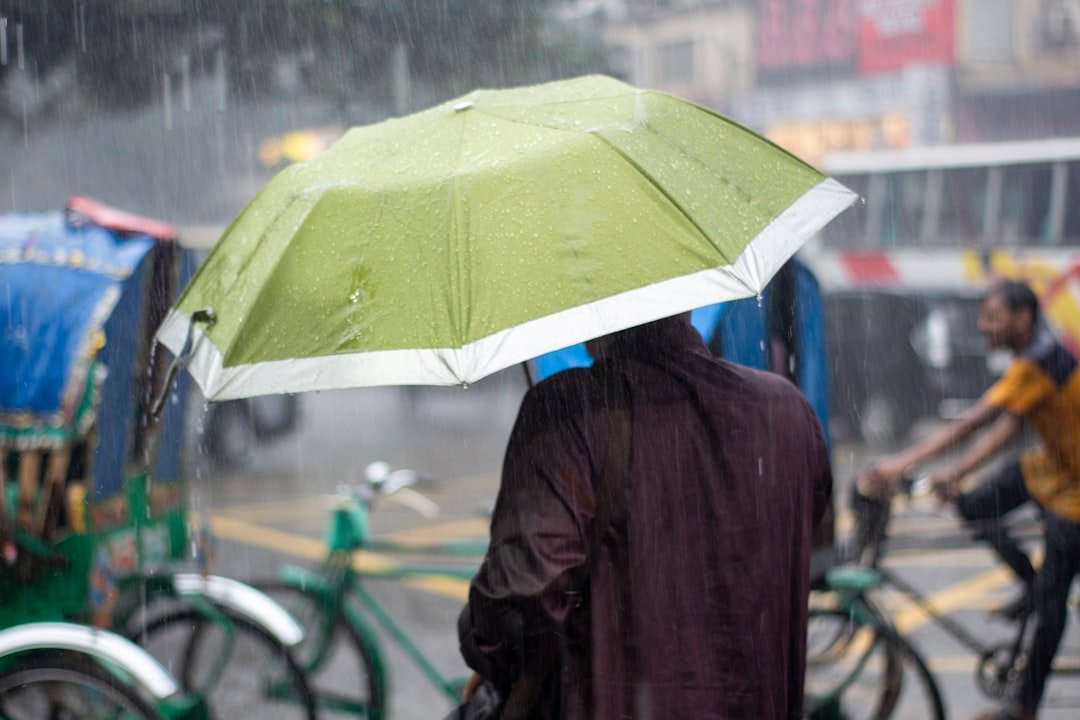
Water Safety During Monsoon
Municipal water quality deteriorates during heavy rainfall as pipes get contaminated. Even if you normally drink tap water, switch to boiled or RO-purified water during monsoon. Avoid ice in restaurants, which is often made from unfiltered water. Eat freshly cooked, hot food — avoid cut fruits and salads from outside.
Protecting Your Home
Eliminate all stagnant water around your home — drain flower pots, change cooler water every 2-3 days, check overhead tanks for leaks. Use mosquito nets, repellents, and ensure windows have intact screens. Keep your surroundings dry — damp walls and floors breed mould that triggers asthma and allergies.
When to See a Doctor
Seek medical attention immediately for fever above 103°F lasting more than 2 days, severe vomiting or diarrhoea causing dehydration, breathlessness, or unusual skin rashes. In monsoon, early treatment makes the difference between a minor illness and a serious one.