

The Transformation That Should Not Have Been Possible
In 2014, kabaddi was played primarily in rural India, with minimal media coverage, no professional salaries, and zero international mainstream interest. Star Sports took a calculated risk on a game that most sports business analysts dismissed as unscalable. A decade later, PKL is the second most attended sports league in Asia, has produced genuine celebrity athletes, and has spawned a national level of kabaddi infrastructure that simply did not exist before.
How PKL Was Designed Differently
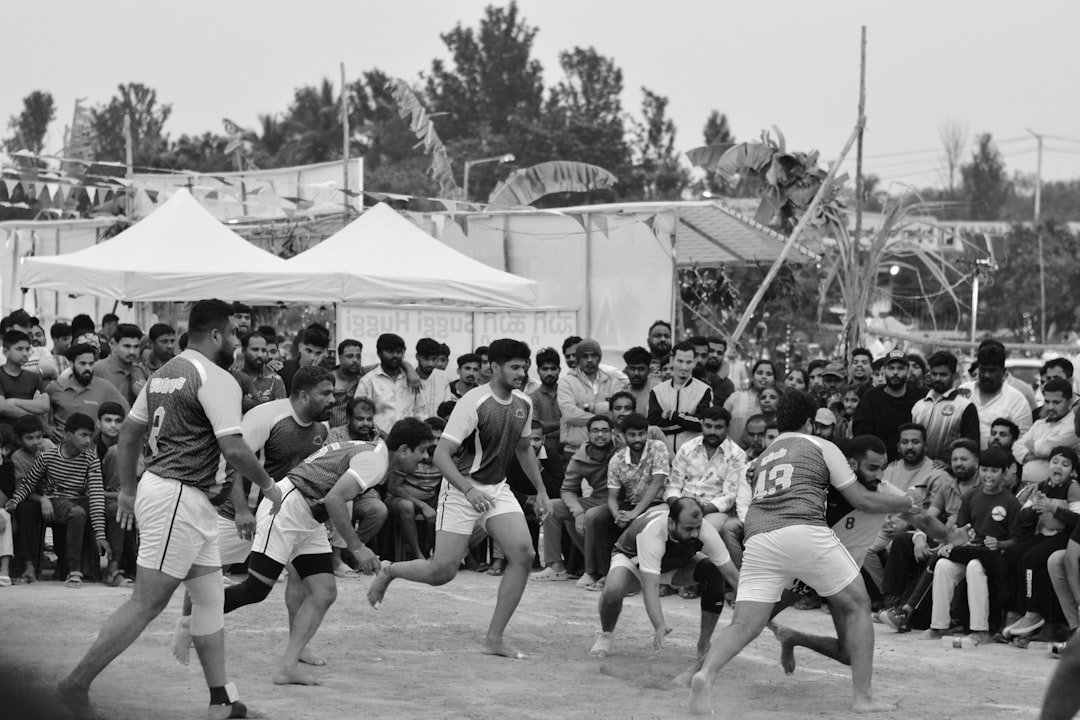
PKL borrowed the IPL franchise model but made several smart adaptations for kabaddi’s specific context. The matches were scheduled on weekdays in the evenings — when the IPL took weekends, PKL found a viewing window with less competition. The auction system created star players overnight — the first PKL auction generated national media coverage because the concept of a kabaddi player being “bought” for significant money was genuinely shocking and therefore newsworthy. Each franchise was assigned to a city and built identity around it, creating the same kind of local pride that drives cricket fandom.
The Players Who Became Celebrities
Rahul Chaudhari, called “Mr. Consistent,” became PKL’s first genuine superstar, followed by Pardeep Narwal — who broke every scoring record and became the first kabaddi player to be recognisable beyond sports fans. Naveen Kumar “Naveen Express” brought an urban young audience to kabaddi through his social media presence and highlight-reel raids. These players’ salary trajectories — from earning almost nothing to commanding crores per season — have transformed how young players and their families in kabaddi-playing states view the sport’s career potential.
What PKL Did for the Sport’s Infrastructure
Before PKL, there were no professional kabaddi coaches. No sports science support for players. No proper playing surfaces or equipment standards. PKL franchises — now valued at hundreds of crores each — invested in academies, physiotherapy staff, and video analysis because they had business reasons to develop players. This trickled down: state kabaddi associations received more government funding as the sport’s visibility increased, and junior kabaddi participation rose substantially across Haryana, Maharashtra, Tamil Nadu, and UP.
The International Dimension
India has won every Kabaddi World Cup since the tournament began (the first in 2016). PKL has begun attracting international players from Iran, South Korea, Kenya, and other nations. The Asian Games included kabaddi, and there are serious discussions about a bid for Olympic inclusion, though the politics of Olympic sport addition make this a long shot. What is certain is that kabaddi — through PKL — has become India’s most successful non-cricket sporting export.