


WFH Is Here to Stay — So Do It Well
Post-pandemic, remote and hybrid work has become a permanent feature of the Indian professional landscape. Millions of IT professionals, consultants, writers, designers, and business managers now work from home at least part of the week. The question is no longer whether to work from home — it is how to do it effectively without sacrificing health, relationships, or career momentum.
Setting Up Your Workspace
The single most important investment in WFH is a dedicated workspace. Working from the dining table or bedroom trains your brain to associate those spaces with work — degrading both work quality and rest quality. If space is limited, even a dedicated corner with a small desk creates the psychological separation your brain needs.
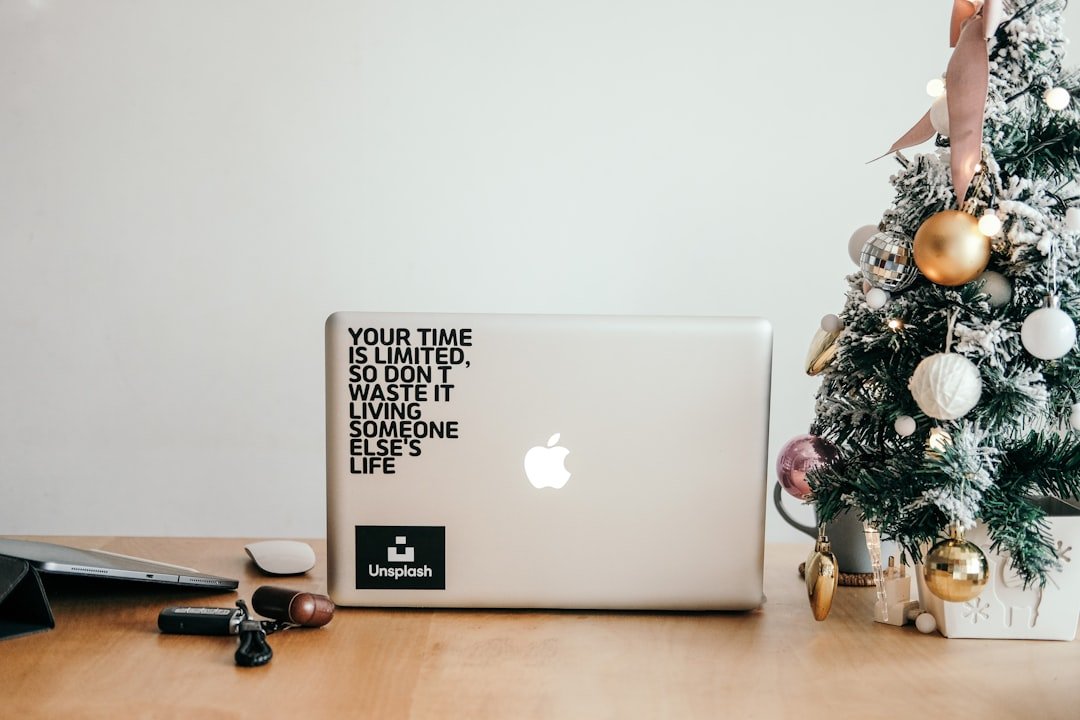
Essential equipment: An ergonomic chair that supports your lower back is the most important purchase — poor posture during long work hours leads to chronic back problems that are both painful and expensive to treat. An external monitor at eye level prevents neck strain. A separate keyboard and mouse reduce wrist stress.
Internet: Invest in a reliable broadband connection with a backup (a secondary provider’s broadband or a 4G/5G router). Video call interruptions are one of the most common WFH frustrations and are entirely preventable with a redundant connection.
Lighting: Natural light behind your monitor (not behind you, which creates glare) is ideal. If natural light is insufficient, a warm-white LED desk lamp significantly reduces eye strain during evening work.
Structuring Your Day
The freedom of WFH is also its biggest trap. Without structure, work bleeds into personal time and vice versa, leaving you feeling permanently neither-here-nor-there. Build a routine that replicates the natural structure of office work:
- Start at the same time every day — your circadian rhythm and productivity will thank you
- Get dressed as if going to the office — it sounds trivial but psychologically it signals the shift from home mode to work mode
- Use a task list — write your three most important tasks for the day each morning before opening email
- Take real lunch breaks — away from your desk and preferably involving a short walk
- Define a clear end time and stop — this is harder than it sounds but crucial for sustainable WFH
Managing Distractions
Indian homes are rarely quiet. Family members, domestic help, neighbours, and the general ambient noise of Indian urban life create a distracting environment. Practical solutions include noise-cancelling headphones (a genuine productivity game-changer), communicating your work hours clearly to family members, and using focus techniques like the Pomodoro method (25 minutes of focused work followed by a 5-minute break).
Staying Visible and Connected at Work
One of the real career risks of WFH is becoming invisible. When you are not in the office, your contributions need to be communicated explicitly. Send brief weekly updates to your manager; speak up in video meetings rather than just listening; volunteer for visible projects. Remote workers who are excellent at communicating their contributions advance as quickly as office workers. Those who go quiet tend to get overlooked.
Physical Health While WFH
Sedentary behaviour is WFH’s most serious health risk. Without the incidental movement of an office commute and the natural breaks of office life, it is easy to sit for eight hours with minimal movement. Set a timer to stand up and move for two minutes every hour. Schedule a walk, workout, or yoga session at a fixed time — treat it as a non-negotiable meeting.
Eat proper meals rather than grazing at your desk. Good nutrition directly impacts cognitive performance — the quality of your work in the afternoon is largely determined by what you ate for lunch.
The Long View
WFH done well is genuinely better than commuting — for your health, relationships, and often for your work quality. The professionals who figure out how to structure their remote days effectively, stay connected to their teams, and maintain clear boundaries between work and rest will find WFH to be one of the genuine improvements that emerged from the last several years of workplace disruption.