

India’s EV Revolution Is Here
India is the world’s third-largest automobile market and it is undergoing its fastest transformation in decades. Electric vehicles — once dismissed as expensive, range-anxious novelties — are now mainstream. In 2026, EVs account for a growing share of new vehicle registrations, government subsidies are still available, and the charging network has expanded beyond what most consumers realise.
Whether you are considering your first electric vehicle or just want to understand where the market stands, this guide covers everything you need to know.
Electric Two-Wheelers: Leading the Charge
Electric scooters and motorcycles are where India’s EV revolution is most visible. With petrol prices volatile and urban traffic congestion worsening, the economics of electric two-wheelers have become compelling.
Ola Electric S1 Pro: Continues to dominate in terms of sales volume with its competitive pricing, long range, and expanding service network. Software updates have significantly improved the ownership experience since launch.
TVS iQube: TVS Motors’ electric scooter has earned a reputation for build quality and reliability that matches the company’s broader brand promise. A strong choice for buyers who prioritise after-sales service.
Bajaj Chetak Electric: The iconic Chetak name on an electric platform has found a loyal customer base among buyers who value style and brand heritage alongside modern performance.
Ather 450X: Still the enthusiast’s choice for its sharp performance and the quality of its connected features. Ather’s charging network (AtherGrid) is particularly well-developed in South Indian cities.
Electric Cars: Options at Every Price Point
Tata Nexon EV (₹14-20 lakh): India’s best-selling electric car has earned its position through genuine reliability, a trusted brand, and a charging network backed by Tata Power. The long-range variants offer over 400km of certified range.
MG Windsor EV: MG’s subscription-style battery rental option has made electric ownership financially accessible to a new segment of buyers by separating the car cost from the battery cost.
Hyundai Creta Electric: The electrification of India’s most popular SUV nameplate brought instant credibility to the electric segment. Strong performance, a refined interior, and Hyundai’s service network make it a compelling choice in the premium segment.
BYD Atto 3 and Seal: Chinese EV giant BYD has made a strong push into India with well-specified vehicles at competitive prices. Excellent technology and range, with an expanding service infrastructure.
The Charging Network in 2026
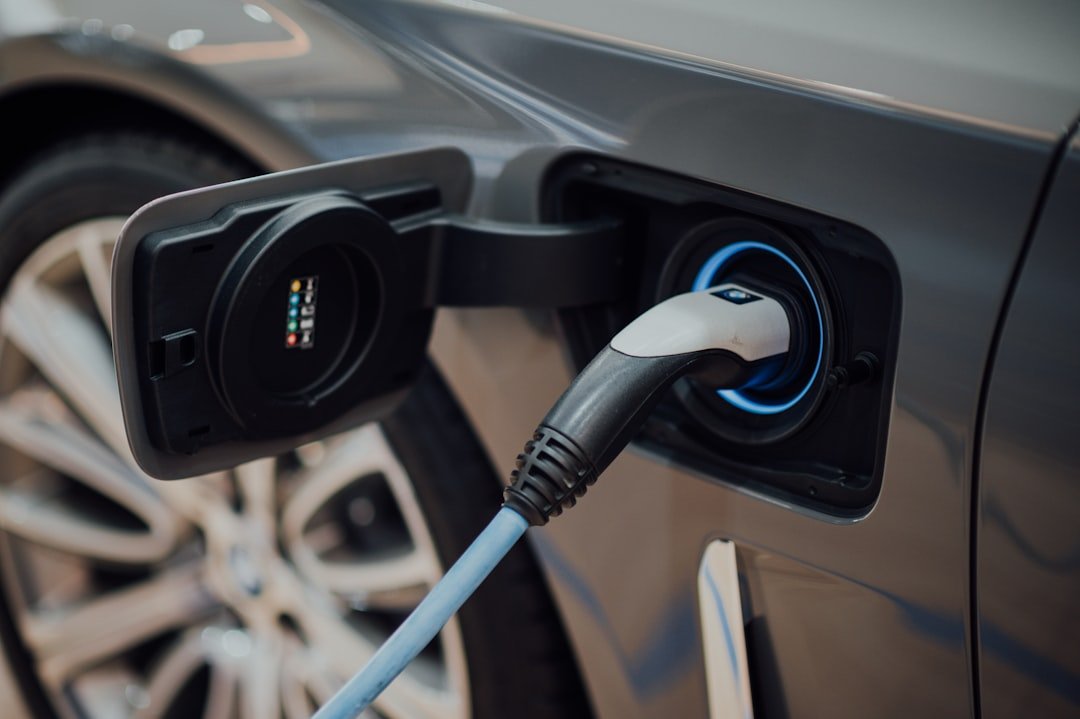
Range anxiety was the biggest barrier to EV adoption in India just two years ago. The situation has improved dramatically. Government-mandated charging stations at petrol pumps, highway corridors, and major commercial complexes have significantly expanded coverage. Tata Power, Charge Zone, and Statiq operate the largest public charging networks, with apps that show real-time availability.
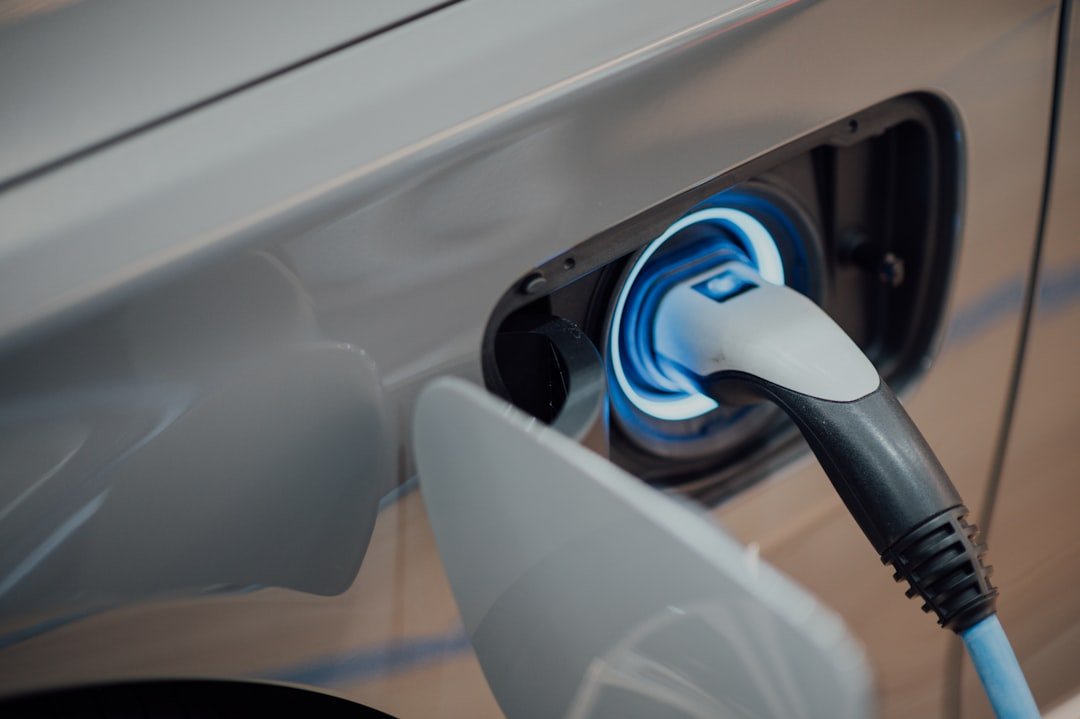
Home charging remains the primary solution for most EV owners — a simple wall charger (AC, 7.2kW) can fully charge most EVs overnight and costs ₹8,000-15,000 to install. For apartment dwellers, many housing societies are now installing common charging bays following government guidelines.
FAME Subsidy and State Incentives
The FAME (Faster Adoption and Manufacturing of Electric Vehicles) scheme continues to provide purchase incentives for electric two-wheelers and commercial vehicles. Several states offer additional exemptions from road tax and registration fees. In total, state and central subsidies can reduce the effective cost of an electric scooter by ₹10,000-30,000.
Is 2026 the Right Time to Buy?
For electric two-wheelers: yes, the product maturity and economics justify switching if you ride within cities. For electric cars: yes for buyers with home charging capability and annual mileage above 15,000km. The 3-5 year total cost of ownership calculation strongly favours electric over petrol or diesel for high-mileage users, even before factoring in lower maintenance costs.