


The Problem With Most Morning Routine Advice
Western productivity gurus built the morning routine genre. Their advice assumes you have: a quiet suburban home, no multi-generational family demands, no temple or prayer rituals to consider, a gym five minutes away, and the ability to wake up without the sound of a mixer grinder in the background. For most Indians, this advice either fails immediately or creates guilt about not following it. Here is a morning routine designed around Indian reality.
Why Morning Matters — The Science Part
Cortisol, your alertness hormone, peaks naturally in the first hour after waking. How you use this window shapes your cognitive state for the rest of the day. If you spend it scrolling Instagram, you enter the day in a reactive, comparison-driven mindset. If you use it for focused work or calm preparation, you are ahead before the day’s demands begin. The goal of a morning routine is to reach 9 AM in a state of calm clarity rather than frantic rush.
The Framework: Build Blocks, Not a Script
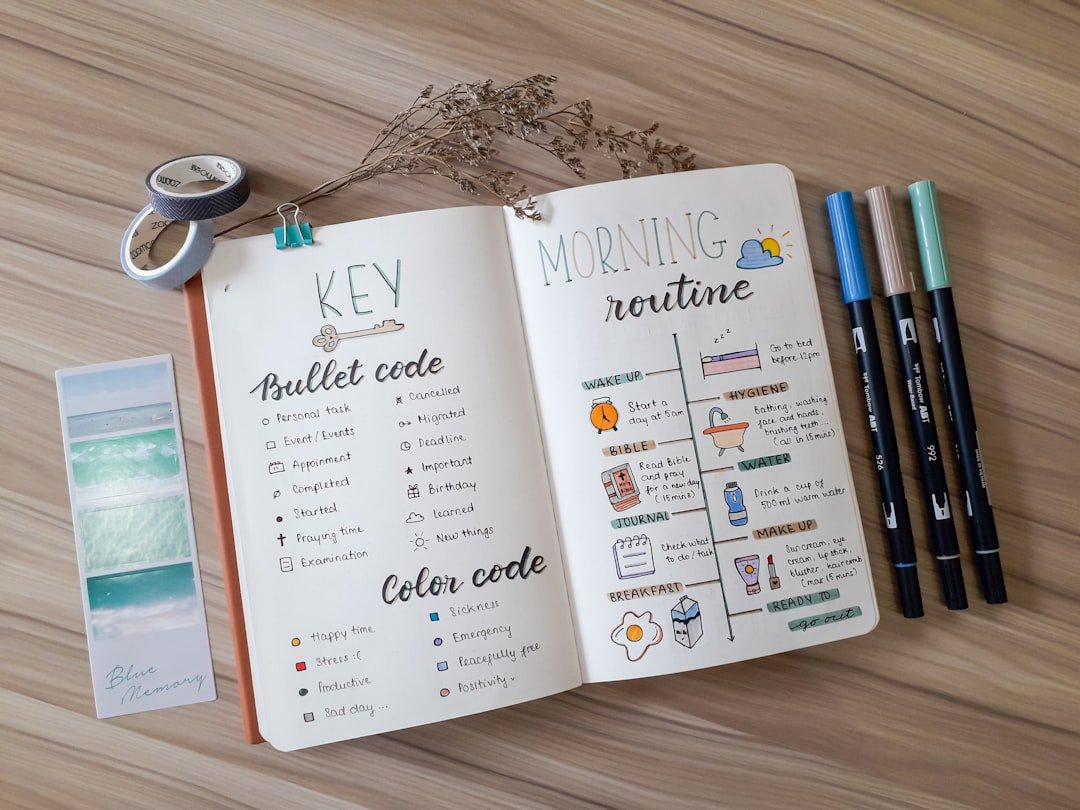
Rather than prescribing a specific sequence, choose 2-3 blocks that fit your situation. The non-negotiable first block (5-15 minutes): No phone for the first 15 minutes after waking. This single rule changes everything. Make chai, wash your face, sit quietly — but do not open any app. The biology block (any 30 minutes): A walk, yoga, surya namaskar, or a 20-minute run. Research consistently shows morning exercise improves focus and emotional regulation more than caffeine. The focus block (optional, high-value): Even 20 minutes of reading, journaling, or quiet planning before the household wakes up compounds dramatically over months.
The Indian Family Factor
Many Indians live in joint families or homes where early morning is already busy — prayers, cooking, children’s school prep, elderly relatives’ needs. In this context, your morning routine cannot be isolated from household rhythm. The practical approach: find 20-30 minutes that are genuinely yours — perhaps after the first school rush, or before anyone else wakes, or during the commute (if you use public transport) for reading. Consistency in a small, realistic window beats perfection in an aspirational one.
What to Drop
Skip checking email or WhatsApp before you leave home. Skip watching news first thing — it activates your stress response before you have had time to centre yourself. Skip elaborate breakfast preparation if it is stressing you — a banana, boiled egg, or leftover roti is enough to fuel your morning. The best morning routine is one that actually happens every day, not one that looks perfect on a vision board.
Start With Just One Week
Pick one change. Wake up 20 minutes earlier than usual for 7 days and use that time without your phone. That is it. Most people who do this for a week notice the difference enough to continue. Do not design an elaborate 90-minute routine before you have proved to yourself that you can reliably get up 20 minutes earlier.