

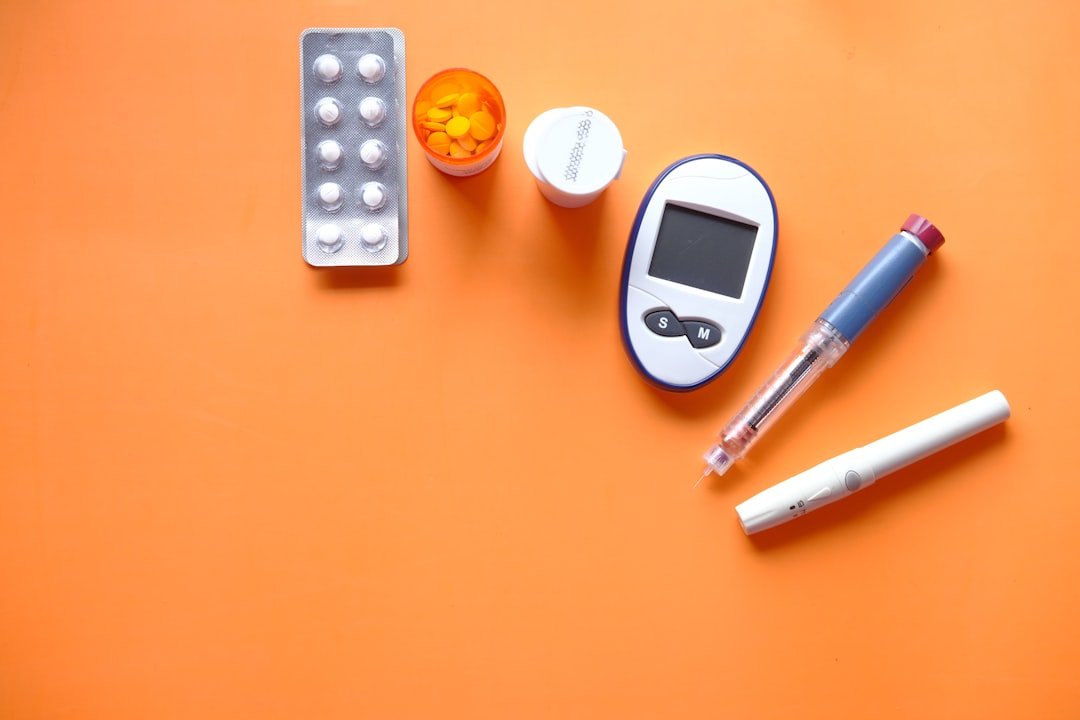
India’s Diabetes Burden
With 101 million diabetics and another 136 million in the prediabetic range, India faces a diabetes crisis that conventional medical systems are struggling to manage. What makes India’s situation unique is the combination of genetic predisposition, dietary patterns heavy in refined carbohydrates, sedentary urban lifestyles, and high levels of chronic stress.
Understanding the Indian Diet Problem
The traditional Indian diet, while often nutritious in theory, has become glycemically challenging in practice. White rice, white bread, maida-based rotis, and sugar-heavy beverages cause rapid blood sugar spikes. The shift from millets (bajra, jowar, ragi) to refined wheat and rice over the past 50 years has been particularly damaging for metabolic health.

Practical Dietary Changes for Indian Diabetics
Switch from white rice to brown rice, millets, or cauliflower rice — or simply reduce portion sizes significantly. Replace maida rotis with multi-grain or ragi flour alternatives. Eat vegetables (especially bitter gourd, fenugreek, and drumstick) before your carbohydrate portion to blunt blood sugar response. Include protein at every meal — dal, eggs, paneer, or curd — as it slows glucose absorption. Avoid fruit juices and opt for whole fruit instead.
Traditional Indian Foods That Help
Methi (fenugreek) seeds soaked overnight and consumed in the morning reduce fasting blood sugar. Karela (bitter gourd) juice has documented blood sugar-lowering effects. Jamun seeds are traditionally used for diabetes management. Cinnamon (dalchini) added to food improves insulin sensitivity.
The Exercise Component
A 10-minute walk after each meal reduces post-meal blood sugar by 15-20% in most diabetics. This single habit, if maintained consistently, can reduce HbA1c by 0.3-0.5% over 3 months — equivalent to a low-dose medication.